
Budgeting Tips for Young Professionals in Slovenia


Understanding Your Income
As a young professional starting your career in Slovenia, understanding your income is crucial. This involves not just knowing your salary, but also considering any additional income streams. It's important to calculate your net income after taxes to get a clear picture of what you actually have to work with each month.
Consider any variable income, such as bonuses or freelance work, and account for these in your budget. This will help you avoid surprises and ensure that you have a realistic view of your financial situation.

Setting Financial Goals
Setting clear financial goals is a vital step in budgeting. Whether you aim to save for a down payment on a home, pay off student loans, or build an emergency fund, having specific objectives will guide your budgeting decisions.
Start by categorizing your goals into short-term and long-term. Short-term goals might include saving for a vacation or buying a new gadget, while long-term goals could involve retirement savings or purchasing property. Write these goals down and revisit them regularly to track your progress.
Creating a Monthly Budget
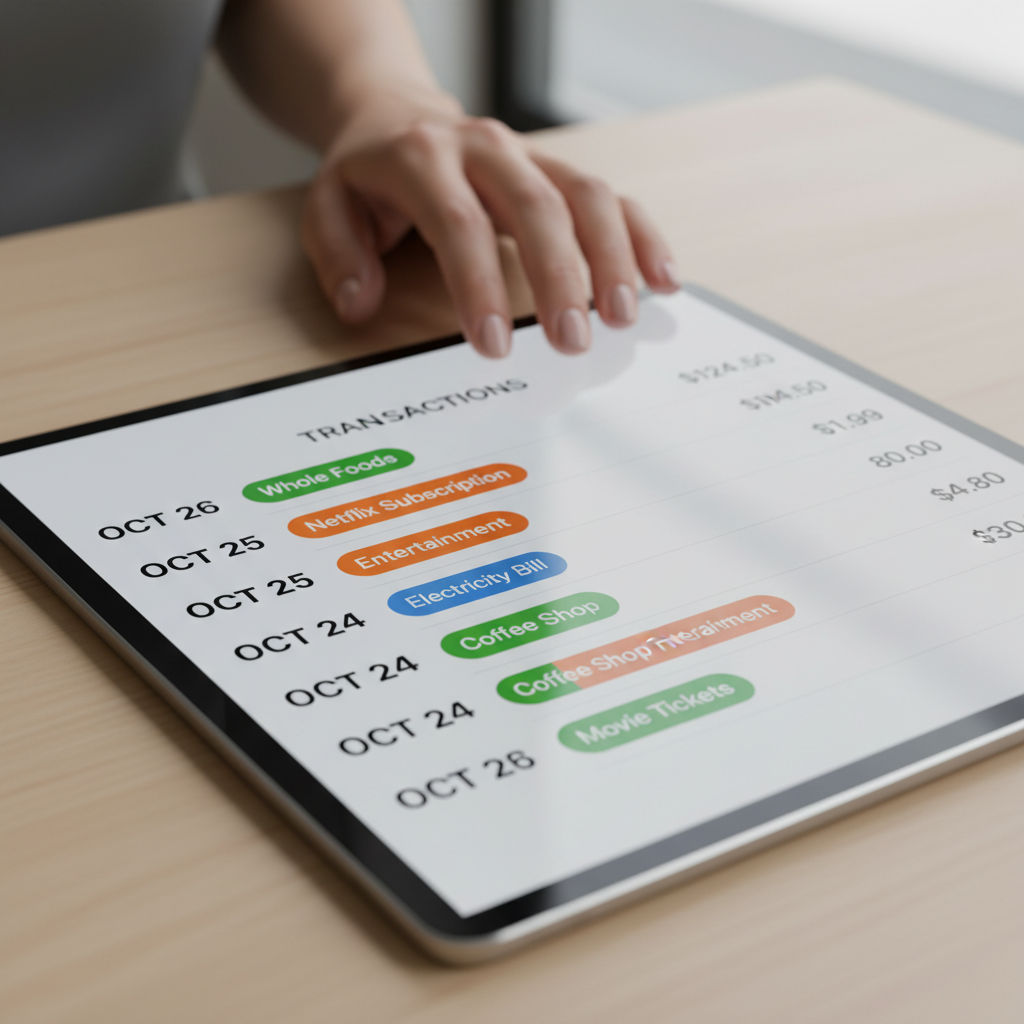
Creating a monthly budget is an essential practice for managing your finances effectively. Begin by listing all your monthly expenses, including fixed costs like rent, utilities, and transportation, as well as variable expenses like groceries and entertainment.

Using budgeting apps or spreadsheets can simplify this process. Allocate a portion of your income to each category, ensuring you prioritize savings and debt repayment. Regularly review your budget to adjust for any changes in your financial situation.
Managing Expenses
Managing expenses is a skill that can greatly enhance your financial stability. Start by identifying areas where you can cut costs, such as dining out less frequently or choosing budget-friendly entertainment options.
Consider adopting the 50/30/20 rule, which allocates 50% of your income to needs, 30% to wants, and 20% to savings and debt repayment. This simple guideline can help you maintain a balanced budget.
Building an Emergency Fund
An emergency fund is a financial safety net that can protect you from unexpected expenses. Aim to save at least three to six months' worth of living expenses in a separate, easily accessible account.
Start small by setting aside a fixed amount each month, and gradually increase this as your financial situation improves. Having an emergency fund can provide peace of mind and prevent financial stress during unforeseen circumstances.
Investing in Your Future
Investing is an important aspect of financial planning that can help you grow your wealth over time. Consider options such as mutual funds, stocks, or retirement accounts. Even if you can only invest a small amount initially, the power of compound interest can significantly boost your savings in the long run.
Educate yourself on the various investment options available and seek professional advice if needed. Starting early gives you the advantage of time, allowing your investments to grow and compound.