Seasonal Tax Preparation Tips for Slovenians


Understanding Slovenia’s Tax System
As the tax season approaches, it's crucial for Slovenians to familiarize themselves with the local tax system. Understanding the basics can help streamline the preparation process and ensure compliance with regulations. In Slovenia, the tax year runs from January 1st to December 31st, and tax returns must be filed by March 31st of the following year.
Slovenia operates a progressive tax system, meaning that tax rates increase with income levels. Being aware of the different tax brackets can help you better estimate your liabilities and plan accordingly.
Organizing Your Financial Documents
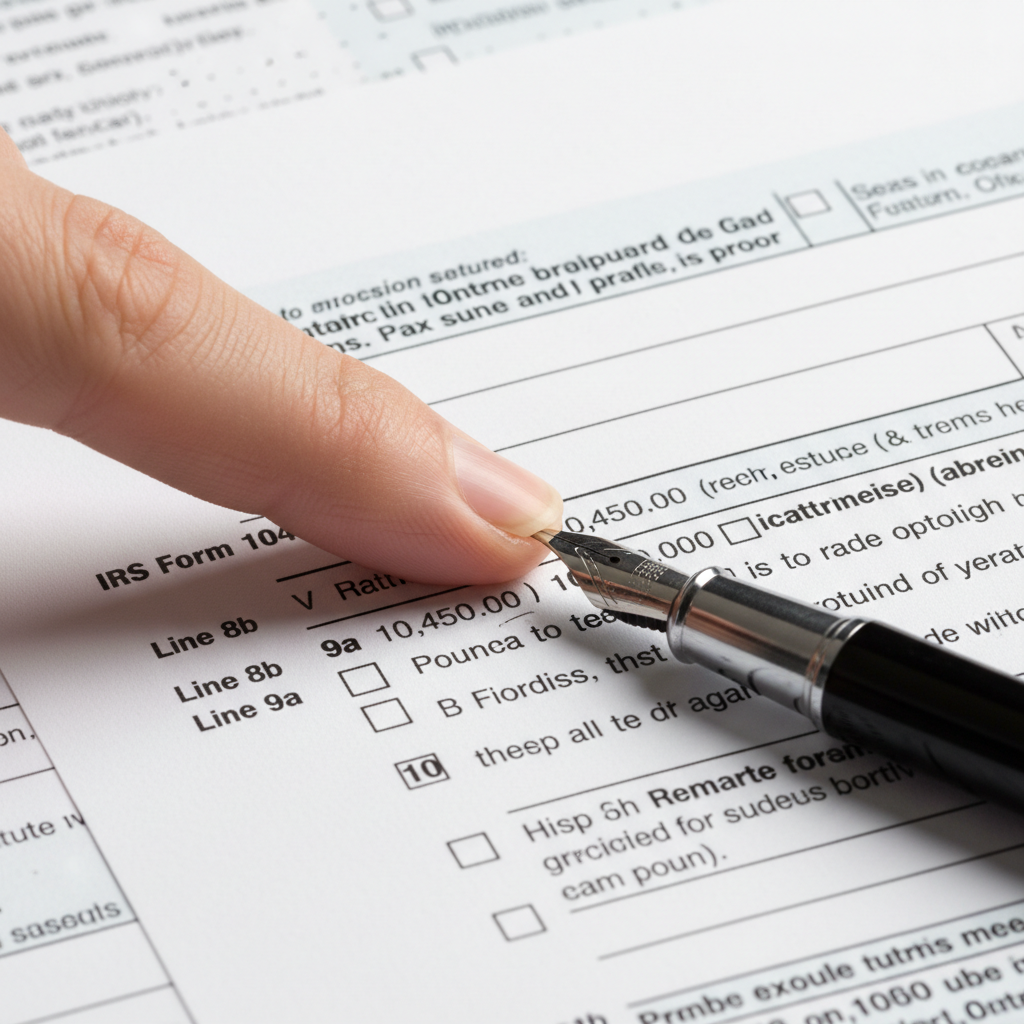
Effective tax preparation starts with proper organization. Gather all necessary documents, including income statements, bank records, and receipts for deductible expenses. Having these documents ready can significantly reduce the stress associated with tax filing.
Consider using digital tools to keep your documents organized. Scanning and storing them electronically not only saves space but also ensures you have easy access when needed. Many apps can help you categorize and manage these documents effectively.
Taking Advantage of Deductions and Credits
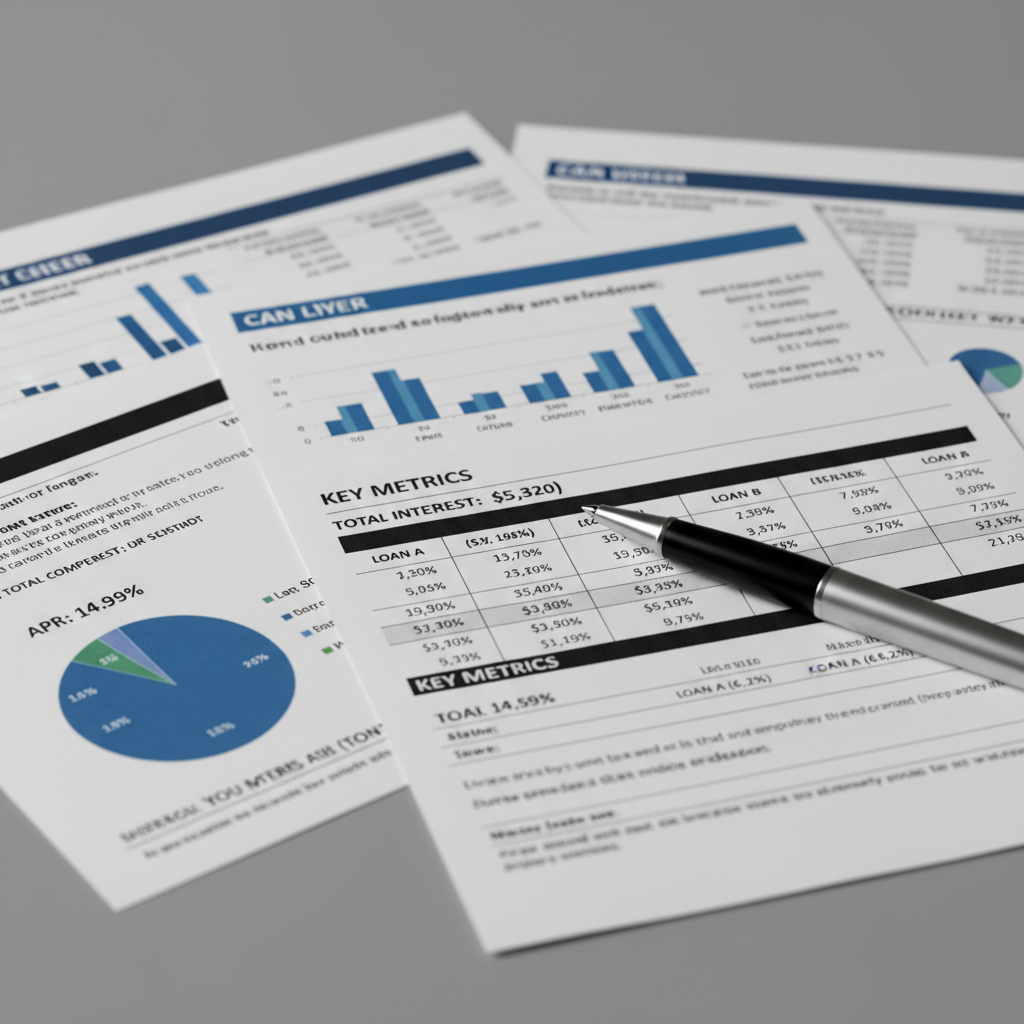
Slovenia offers various deductions and credits that can reduce your tax liability. These may include deductions for education expenses, donations, and certain medical expenses. Be sure to explore all available options to maximize your savings.
Claiming these deductions requires proper documentation, so ensure you have all the necessary receipts and proofs of payment. This can also prevent potential issues during audits.
Using Tax Software
Many Slovenians find it beneficial to use tax software to assist with their tax preparation. These tools can simplify calculations, ensure accuracy, and often provide guidance on deductible items. They can also help in filing your tax return electronically, which can be faster and more efficient.
When choosing tax software, consider factors such as ease of use, customer support, and whether it is updated regularly to reflect the latest tax laws.
Consulting with a Tax Professional
If your tax situation is complex, or if you're unsure about certain aspects of tax filing, consulting with a tax professional can be a wise investment. These experts can offer personalized advice and help ensure that your tax return is accurate and complete.
Tax professionals can also assist in planning for future tax years, offering strategies to minimize your liabilities and optimize your financial situation.

Planning for Next Year
Once you've filed your taxes, it's a good time to start planning for next year. Review your current financial situation and consider any changes that might affect your taxes, such as changes in income or new investments.
Setting aside time each month to update your financial records can make next year's tax preparation much smoother. It also allows you to make necessary adjustments throughout the year to stay on track with your tax obligations.